Frozen shoulder: why it happens, and why it will not rush
A frozen shoulder rarely announces itself. It usually starts as a vague ache that you blame on sleeping funny or reaching into the back seat, and then one morning you realize you cannot fasten a seatbelt or reach a back pocket without a jolt of pain. By the time most people in Scarborough come into Atlas Spine Clinic, the shoulder has quietly stiffened over weeks or months. The good news is that frozen shoulder almost always recovers. The honest news is that it recovers on its own schedule, and how you treat it in the meantime makes a real difference to how much pain you live with and how much movement you get back.
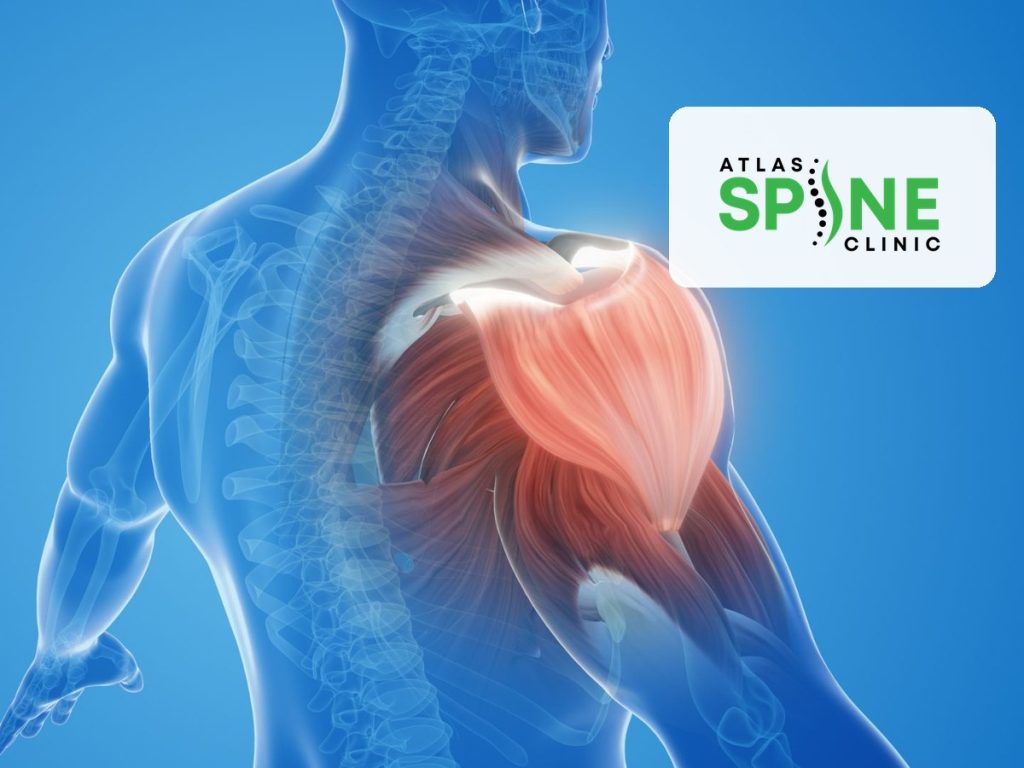
Frozen shoulder, known medically as adhesive capsulitis, is a tightening and thickening of the capsule that surrounds the shoulder joint. As that capsule contracts, the joint loses its normal glide, which is why the shoulder feels locked rather than simply sore. It typically moves through three overlapping stages: a freezing phase where pain leads and stiffness builds, a frozen phase where pain settles but the shoulder is at its stiffest, and a thawing phase where range gradually returns. The whole sequence commonly runs many months, and sometimes beyond a year. That timeline is the nature of the condition, not a measure of how hard you are trying.
Is it actually a frozen shoulder?
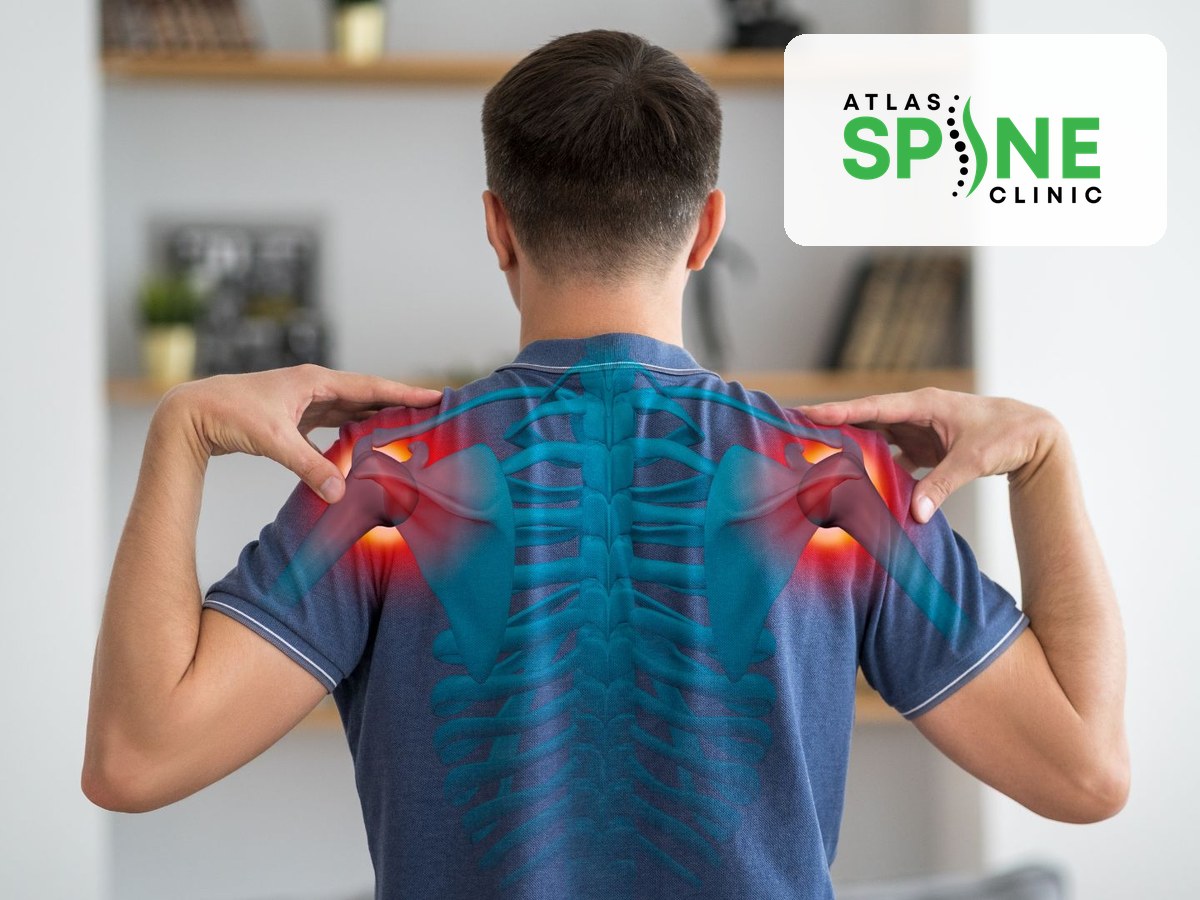
Several shoulder problems feel similar from the outside, so the first job is an accurate assessment rather than a guess. At Atlas, that means a detailed history and a hands on physical assessment of movement, strength, and flexibility to identify the structures involved. Nothing rushed.
The classic tell for true frozen shoulder is loss of both active and passive range of motion. In plain terms, the shoulder is stiff even when someone else lifts and rotates your arm for you, and rotating the arm outward is usually the most restricted movement of all. That global stiffness is what separates adhesive capsulitis from the conditions that mimic it:
- A rotator cuff tear tends to rob you of active strength and power, while passive range stays more available when the arm is moved for you.
- Impingement usually produces pain in specific arcs of movement rather than a whole capsule locking down.
- Shoulder arthritis can also look similar, which is one reason history matters so much. A gradual onset, your age, diabetes, or a recent period of immobilization all point toward frozen shoulder.
When imaging is needed to confirm or rule out a tear, significant arthritis, or another structural issue, Atlas refers out for X-ray or further imaging rather than doing it in house, and Dr. Arvin Sepahdoost regularly coordinates with patients’ family doctors when extra testing is warranted.
How Atlas treats frozen shoulder in Scarborough
Frozen shoulder care at Atlas is usually physiotherapy led, with support from the other disciplines as the shoulder needs it. The plan tracks the stages: calm the pain first with gentle movement, then progress range and strength as the shoulder begins to thaw. The core tools are:
- Manual therapy and joint mobilization to restore glide in the stiff, restricted joint. This hands on work is the backbone of adhesive capsulitis care.
- A customized, progressive exercise and stretching program to rebuild range and strength in a way that respects what stage you are in. This is really the engine of recovery.
- Soft tissue therapy, myofascial release, and trigger point work to ease the muscle tension and guarding that build up around a shoulder that has stopped moving. Registered massage therapy can complement this.
- Electrotherapy modalities such as IFC, TENS, and ultrasound to reduce pain and inflammation and improve circulation, so the shoulder can actually tolerate the mobility work.
- Laser therapy and acupuncture or electro acupuncture for additional pain relief.
- A home exercise program that runs the whole way through, because consistent daily movement is what keeps a frozen shoulder progressing between visits.
Chiropractic care with Dr. Arvin can support recovery by addressing the neck, upper back, and surrounding joint mechanics that often get pulled into the problem when a shoulder stops moving normally. Shockwave therapy is positioned more narrowly, as an option for chronic tendon and soft tissue issues that have not responded to conventional treatment, so think of it as a targeted add on rather than a frozen shoulder mainstay. The point is a coordinated blend that gets adjusted as the shoulder moves through its phases, not a single technique applied to everyone.
An honest word on timeline
This is where we would rather set expectations correctly than sell you a quick fix. Treatment does not let you skip the freezing, frozen, and thawing stages. What it does do is meaningful: control pain, maintain and then regain as much range as possible, and stop the shoulder from stiffening further or the surrounding muscles from weakening while you wait out the natural course.
As a general guide, our physiotherapy patients with acute problems often turn a corner in about four to eight sessions, while chronic conditions take longer. Frozen shoulder sits firmly in the longer, chronic category. A realistic way to hold it in your head: early sessions can start easing pain and improving day to day comfort, but full range recovery is a months long project measured in patience and consistency. Your physiotherapist will give you a realistic timeline at the first visit, based on your shoulder rather than an average.
The mistakes that keep a shoulder frozen
Frozen shoulder punishes both extremes, and most setbacks come from one of these:
- Resting it completely and waiting. Protecting the arm from all movement lets the capsule tighten further and the shoulder stiffens more. Total immobility backfires.
- Bullying it with aggressive stretching during the painful freezing phase. Forcing range early inflames the joint and can set recovery back. Early on, the goal is gentle, pain respecting movement.
- Stopping too early. A little pain relief can feel like the problem is resolving, so people abandon their daily exercises. But the shoulder needs consistent movement maintained through the long thawing phase to fully recover its range.
- Underestimating it. Treating a slowly stiffening shoulder as a minor ache until it has locked down makes management harder. Earlier assessment gives you more options.
The rule that ties it together: gentle and consistent beats both extremes. Do not freeze it in a sling, and do not bully it with force.
Who gets frozen shoulder, and when to get checked
Frozen shoulder tends to show up in adults roughly between 40 and 60, and it affects women somewhat more often than men. The standout risk factor is diabetes, which strongly raises the risk and can make the condition more stubborn. It also commonly follows a period of shoulder immobilization, after an injury, a surgery, or time in a sling, and it sometimes appears alongside thyroid conditions.
Most frozen shoulders are safe to assess and manage conservatively, but some symptoms mean you should be checked promptly rather than self treat. See a professional, and expect possible imaging, if you have:
- Shoulder pain and stiffness that started after a significant fall or trauma, which could point to a fracture or a full tear.
- Sudden weakness or an inability to lift the arm at all.
- Pain with fever, redness, or swelling, which could signal infection.
- Severe, unrelenting night pain.
- Numbness, tingling, or other symptoms that suggest nerve involvement.
Why Scarborough patients choose Atlas for a slow condition
A condition that unfolds over many months is exactly the kind of problem that benefits from having everything in one place. At Atlas Spine Clinic, physiotherapy, chiropractic, massage, acupuncture, and modalities like shockwave and laser all sit under one roof, so a multi stage problem like frozen shoulder can be managed with the right blend and re tuned as it moves from freezing to frozen to thawing. Same week appointments mean you are not waiting months just to start, and the physiotherapy team carries a strong track record, with more than 300 Google reviews at a 4.9 star rating.
On cost, frozen shoulder rehabilitation is covered by most extended health benefit plans, as well as WSIB and motor vehicle accident claims, though it is not covered by OHIP for most adults. Coverage varies by policy, so it is always worth confirming your own plan. You can see current details on our price list.
Frequently asked questions
How long does a frozen shoulder take to heal?
It varies a lot, but frozen shoulder commonly runs many months and sometimes beyond a year as it moves through its freezing, frozen, and thawing stages. Treatment does not skip the stages, but it helps control pain and protect and regain range along the way.
Can physiotherapy actually fix a frozen shoulder?
Physiotherapy is the mainstay of care. Manual therapy, joint mobilization, and a progressive stretching and strengthening program help you keep as much movement as possible, ease pain, and recover range as the shoulder thaws. It works with the natural healing process rather than forcing it.
Should I just rest my shoulder until it feels better?
No. Complete rest tends to let the capsule tighten and the shoulder stiffen further. The better approach is gentle, consistent, pain respecting movement guided by your physiotherapist, adjusted to the stage you are in.
Do I need a referral or an X-ray first?
Not to start an assessment. If imaging is needed to rule out a tear, arthritis, or another structural issue, Atlas will refer you out and can coordinate with your family doctor.
Is treatment covered by insurance?
Most extended health plans cover it, as do WSIB and motor vehicle accident claims. OHIP does not cover it for most adults. Confirm the specifics of your own plan to be sure.
Get your shoulder assessed in Scarborough
A frozen shoulder will likely get better in time, but you do not have to spend that time in more pain or losing more movement than you need to. An early, accurate assessment lets Atlas build a plan that fits the stage you are in and keeps your shoulder moving through the long thaw. Call (647) 794-6868 to book, usually within the same week, or request an appointment online. If you want to understand the bigger picture of shoulder, elbow, and wrist problems first, our guide on resolving shoulder, elbow, and wrist pain and our overview of physiotherapy in Scarborough are good next reads.
