What to Do After a Car Accident in Ontario: A 7-Step Guide to Safety, Rights, and Recovery
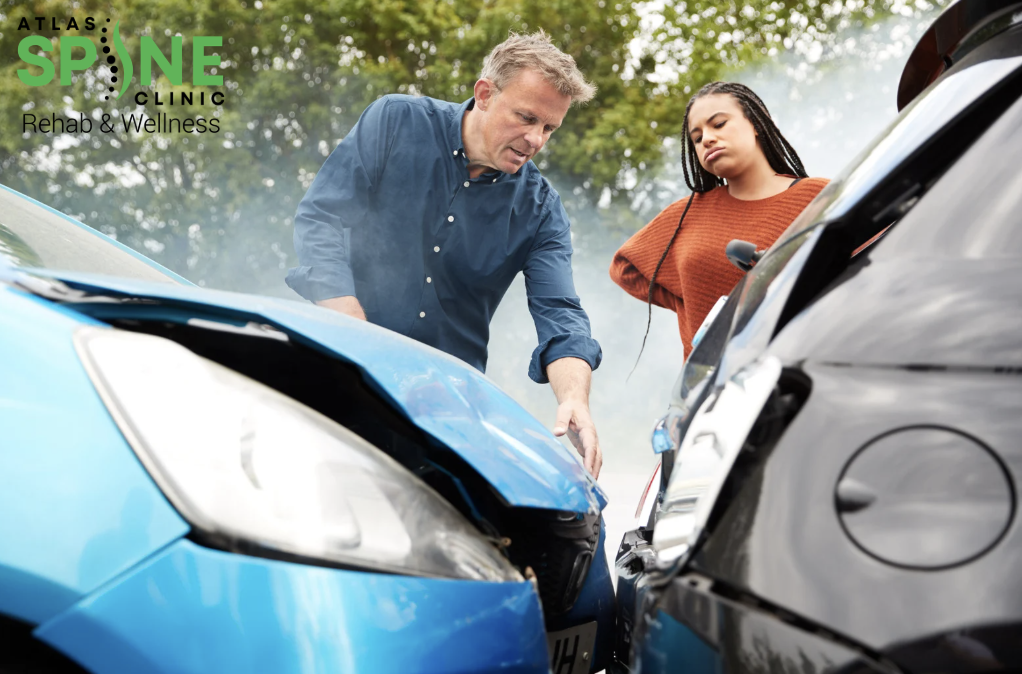
A car accident can happen in seconds, but the effects can last much longer.
In the moments after a collision, adrenaline and shock make it difficult to think clearly. You may feel overwhelmed, unsure what steps to take, or how the accident could affect your health and insurance coverage.
What you do next matters.
Following the right steps can help protect your safety, your legal rights, and your long-term recovery. Many people underestimate injuries after an accident, only to develop chronic neck or back pain weeks later.
At Atlas Spine Clinic, we help patients across Scarborough, Birch Cliff, Guildwood, and East York recover from motor vehicle accident injuries with non-surgical rehabilitation.
This guide explains exactly what to do after a car accident in Ontario.
Step 1: Ensure Immediate Safety
Your first priority is the safety of everyone involved.
Follow this quick checklist:
- Stop your vehicle immediately. Leaving the scene is illegal in Ontario.
- Turn on hazard lights to alert other drivers.
- Check for injuries among passengers and other drivers.
- Call 911 if anyone is injured.
- Move to a safe area if the vehicles can be moved safely.
In Ontario, you must also call police if damage appears to exceed $2,000 or if injuries are present.
Step 2: Report the Accident
An official report protects both your insurance claim and legal rights.
If police attend the scene, ask for the police report number. If officers do not attend, you must report the collision at a Collision Reporting Centre within 24 hours if damage exceeds $2,000.
Avoid arguing about fault with the other driver. Simply provide factual information.
Step 3: Exchange Information and Document the Scene
Accurate documentation is extremely important for insurance claims.
Collect the following information:
Driver details
- Full name
- Address
- Phone number
- Driver’s license number
Insurance details
- Insurance company
- Policy number
Vehicle information
- License plate
- Vehicle make and model
If witnesses are present, record their contact information.
Also use your phone to take photos of:
- Vehicle damage
- The accident scene
- Road conditions and traffic signals
- License plates of all vehicles involved
These photos may become crucial later.
Step 4: Get a Medical Assessment — Even If You Feel Fine
This is one of the most overlooked steps after a car accident.
Adrenaline released during a collision can mask pain for hours or even days. Many accident-related injuries — such as whiplash or soft tissue damage — do not appear immediately.
Symptoms often develop 24 to 72 hours later, including:
- Neck stiffness
- Headaches
- Shoulder pain
- Lower back pain
- Dizziness or fatigue
A professional assessment helps identify injuries early and prevents them from becoming chronic problems.
Step 5: Begin Treatment for Motor Vehicle Accident Injuries
Emergency rooms focus on life-threatening injuries. However, many accident injuries involve muscles, joints, and nerves that require specialized rehabilitation.
Common car accident injuries include:
- Whiplash
- Neck and back pain
- Shoulder injuries
- Disc irritation
- Soft tissue damage
At Atlas Spine Clinic, treatment may include:
- Chiropractic care to restore joint mobility
- Physiotherapy-based rehabilitation exercises
- Soft tissue therapy to release muscle tension
- Shockwave therapy for tissue healing
- Electro-therapy (IFC) to reduce pain and inflammation
These treatments address the underlying cause of pain and support long-term recovery.
Step 6: Contact Your Insurance Company
You should notify your insurance company as soon as possible — ideally within 24 hours.
Your Ontario auto insurance policy includes Statutory Accident Benefits (SABS). These benefits can help cover medical treatment and rehabilitation after an accident, regardless of who was at fault.
Be ready to provide:
- Police report number
- Accident details
- Driver and insurance information
- Photos or documentation from the scene
Step 7: Keep Detailed Records
Organization is key during the recovery process.
Create a file for all accident-related documents, including:
- Police reports
- Insurance correspondence
- Medical assessments
- Treatment receipts
- Transportation expenses
- Communication with insurance adjusters
Detailed records help ensure you receive proper treatment coverage and support your claim if needed.
Frequently Asked Questions After a Car Accident
Should I see a doctor if I feel fine after an accident?
Yes. Many injuries develop delayed symptoms. Early assessment helps identify issues before they become chronic.
Who pays for treatment after a car accident in Ontario?
Ontario’s Accident Benefits system allows you to access medical and rehabilitation coverage through your own insurance policy, regardless of who caused the accident.
What injuries are common after car accidents?
Common injuries include whiplash, back pain, soft tissue injuries, and joint dysfunction. These conditions respond well to early rehabilitation.
Do I need physiotherapy or chiropractic care after an accident?
Often both. Chiropractors focus on restoring spinal mobility, while physiotherapy focuses on strengthening and restoring function. Combined care often produces the best recovery outcomes.
Start Your Recovery the Right Way
The steps you take after a car accident can affect your health for months or even years.
If you’ve recently been in a collision and want a thorough evaluation of possible injuries, early treatment can make a major difference.
📞 Call (647) 794-6868 or message Atlas Spine Clinic to schedule your post-accident consultation.
Our team will assess your injuries, explain your treatment options, and create a personalized recovery plan to help you return to normal activity safely.
Image Alt Text Suggestions
- “Steps to take after a car accident infographic”
- “Car accident scene documentation example”
- “Chiropractor assessing whiplash injury in Scarborough clinic”