Why They Happen and How to Finally Get Relief
Have you ever noticed that during a stressful week, a very specific spot between your neck and shoulder blades starts to ache? Or that tight deadlines magically turn into tension headaches creeping from your neck to your temples? That deep, stubborn ache isn’t random — it’s a classic example of stress-related muscle knots.
These muscle knots, called myofascial trigger points, are physical evidence of how closely your emotional stress is tied to your body. Understanding this connection is the first step to treating the root cause instead of just temporarily rubbing the pain away.
Muscle Knot or Spasm? Understanding the Difference
Before learning why stress causes these knots, you need to know what’s happening inside the muscle.
Muscle Spasm
A sudden, involuntary contraction of an entire muscle. Think of a charley horse — sharp, intense, and brief.
Stress-Related Muscle Knot (Trigger Point)
A small, hyper-tight point within a band of muscle fibers. It feels like:
-
a little hard nodule
-
deep tenderness
-
pain that may radiate elsewhere (referral pain)
These are the knots that stick around for days or weeks and often flare up during periods of stress.
Why Stress Creates Muscle Knots: The Fight-or-Flight Loop
When you’re overwhelmed, your body activates the fight-or-flight response — even if the “threat” is just your inbox, not a real danger.
Your nervous system triggers:
-
adrenaline
-
cortisol
-
elevated heart rate
-
increased muscle tension
According to the Mayo Clinic, the body tenses muscles to prepare for threat — but chronic mental stress means the muscles never fully relax.
This chronic tension is the perfect recipe for stress-related muscle knots.
The Science Behind the Pain: How Stress Becomes a Physical Knot
When the stress response remains active for long periods, this chain reaction develops:
1. Sustained Muscle Contraction
Muscles in the neck, shoulders, and back tighten continuously — even at rest.
2. Reduced Blood Flow
Tight muscles compress the tiny blood vessels (Cleveland Clinic), blocking oxygen and nutrients.
3. Energy Crisis Inside the Muscle
Without oxygen, the muscle can’t relax, trapping waste products like lactic acid.
4. Trigger Point Formation
Nerves become irritated → the muscle tightens more → pain signals increase.
This is why stress-related muscle knots can be incredibly stubborn.
The Pain-Stress-Pain Cycle
Stress → muscle tightening → knot formation → pain → more stress → more tightening.
This loop is self-reinforcing, and breaking it requires treating both the physical tension and the nervous system activation.
Where Do Stress-Related Muscle Knots Usually Form?
Common areas include:
-
Neck (suboccipitals)
-
Upper shoulders (trapezius)
-
Mid-back (rhomboids)
-
Jaw (masseter)
-
Lower back (QL muscle)
Each of these muscles is highly reactive to emotional stress and posture strain.
How to Release Stress-Related Muscle Knots Safely
These physical knots won’t disappear by “just relaxing.” They need targeted, physiological intervention.
1. Targeted Pressure (Self-Massage)
Tools: lacrosse ball, foam roller, fingers.
How to do it:
-
Find the tender point
-
Apply gentle pressure for 30–60 seconds
-
Breathe deeply
-
Stop if you feel sharp pain
This activates a reflex that helps the muscle release.
2. Strategic Stretching for Tension Relief
Slow, held stretches restore blood flow and mobility.
Example: Upper Trap Stretch
-
Sit tall
-
Tilt your right ear toward your right shoulder
-
Keep left shoulder down
-
Hold 20–30 seconds
-
Switch sides
Gentle is better — overstretching can worsen a trigger point.
3. Professional Hands-On Therapy (Most Effective)
Deep, chronic knots often need treatment from a trained clinician.
Soft Tissue Therapy
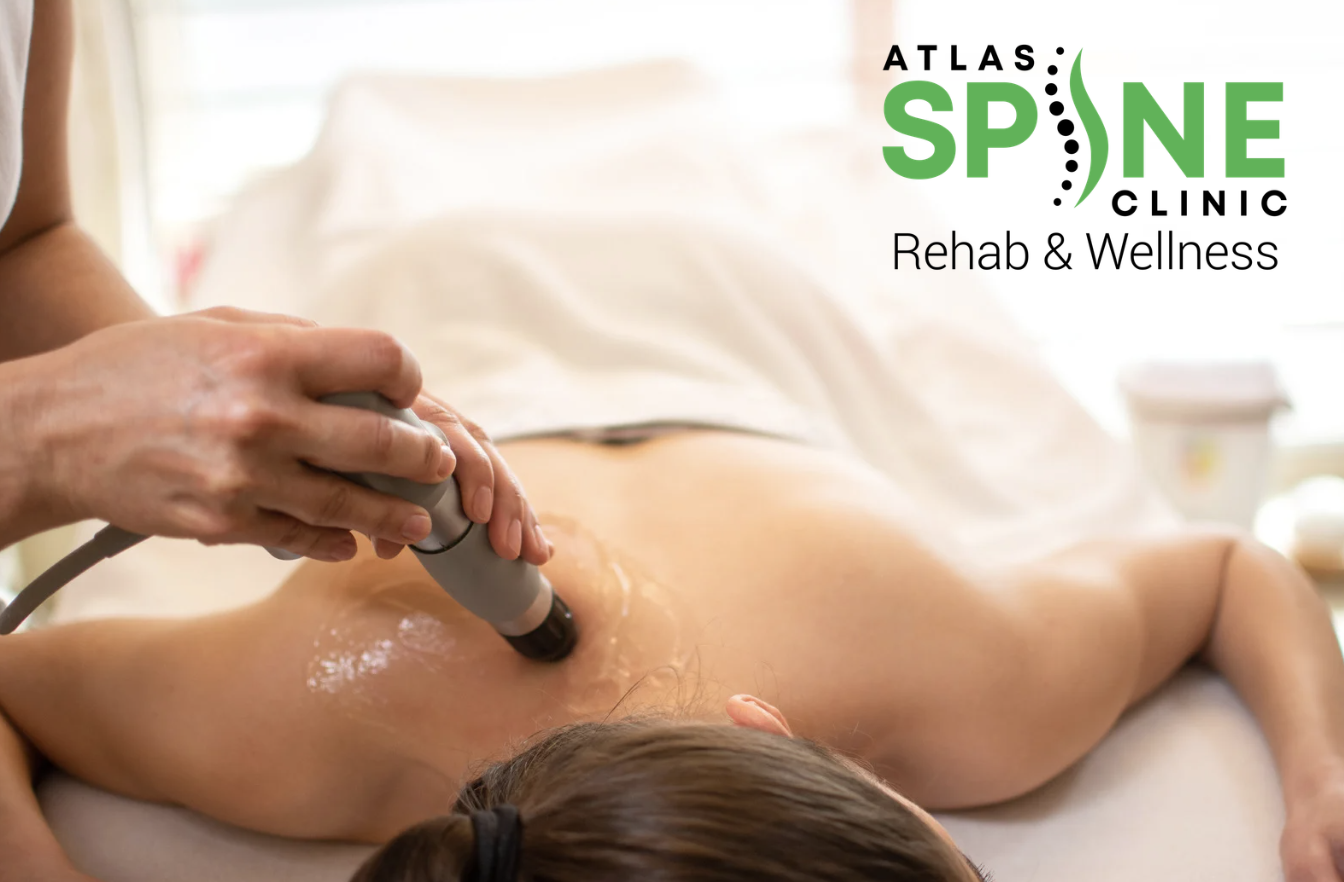
Breaks up adhesions, improves circulation, and releases trigger points.
Acupuncture or Electro-Acupuncture
Stimulates the nervous system to reduce muscle hyperactivity.
Physiotherapy & Chiropractic Care
Address the root cause: poor posture, joint restrictions, or muscle imbalance contributing to chronic stress-related muscle knots.
A professional will assess your posture, biomechanics, and stress patterns to create a personalized treatment plan.
Preventing Muscle Knots: Breaking the Stress Cycle
Releasing a knot is great — preventing its return is better.
1. Stress Management = Muscle Management
Use diaphragmatic breathing, mindfulness, or meditation to activate the parasympathetic (“rest and digest”) system.
Just 5 minutes of slow breathing can reduce muscle tension.
2. Improve Your Workspace Posture
-
Screen at eye level
-
Support your lower back
-
Take micro-breaks every 30–60 minutes
Even small posture corrections reduce strain on the neck and shoulders.
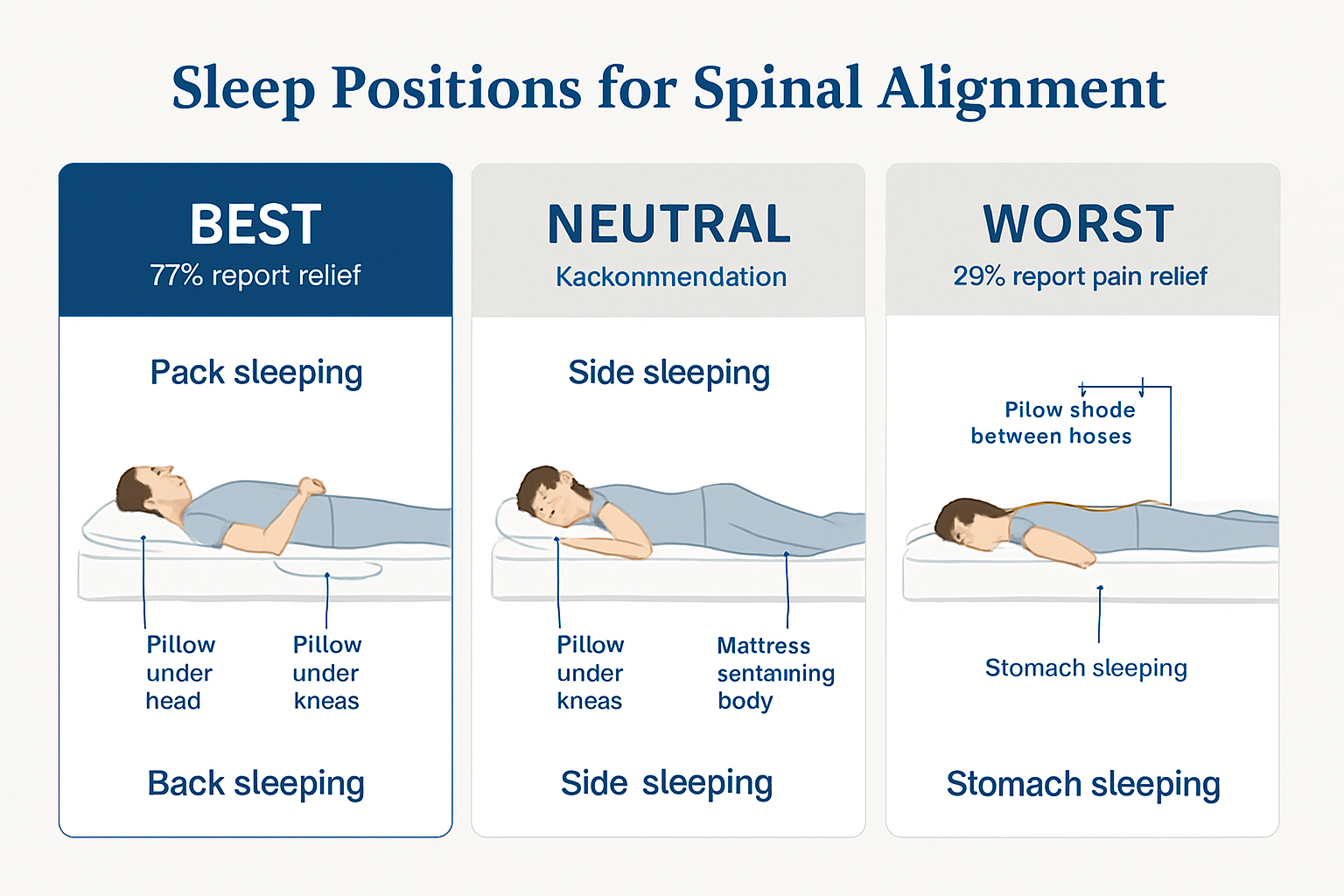
3. Protect Your Sleep
Sleep is when your body repairs muscles and regulates stress hormones.
Chronic poor sleep = chronic muscle knots.
FAQs
What do stress-related muscle knots feel like?
A deep ache, burning sensation, tightness, or a tender nodule that reacts when pressed.
Is my pain from stress or injury?
Stress pain builds gradually and is often symmetrical; injury pain is sudden and linked to a specific event.
What happens if I ignore muscle knots?
They can progress to Myofascial Pain Syndrome, chronic headaches, limited mobility, and increased sensitivity to stress.
Why do some people get knots more easily than others?
Genetics, posture habits, previous injuries, hydration, and how reactive your nervous system is to stress.
Your Body Is Asking for Help — Are You Listening?
Stress-related muscle knots are more than an annoyance — they’re a message from your nervous system telling you it’s overwhelmed.
Addressing both the physical tension and the underlying stress response is the key to lasting relief.
If you’re dealing with chronic muscle tension, neck pain, or knots that always come back, professional care can help you break the cycle and feel like yourself again.
📍 Scarborough, ON
📞 Book your movement assessment today and start living pain-free.