
The Ultimate Guide to Sleep Posture for Back Pain Relief
If you wake up with stiffness in your lower back, tight shoulders, or neck pain that takes an hour to loosen up, your sleep posture may be part of the problem.
Many people focus on stretches, exercise, or medications to manage pain, but overlook one of the most powerful recovery tools the body has: sleep.
Sleep is not simply rest. It is the time when your body actively repairs muscles, regulates inflammation, and restores joint function.
At Atlas Spine Clinic, we often see patients whose chronic neck or back pain is worsened by poor sleep posture and an unsupportive sleep environment.
Improving how you sleep can dramatically reduce strain on your spine and help your body recover more effectively.
This guide explains the science of sleep recovery and how to optimize your sleeping position to support musculoskeletal health.
Why Sleep Is Essential for Muscle and Joint Recovery
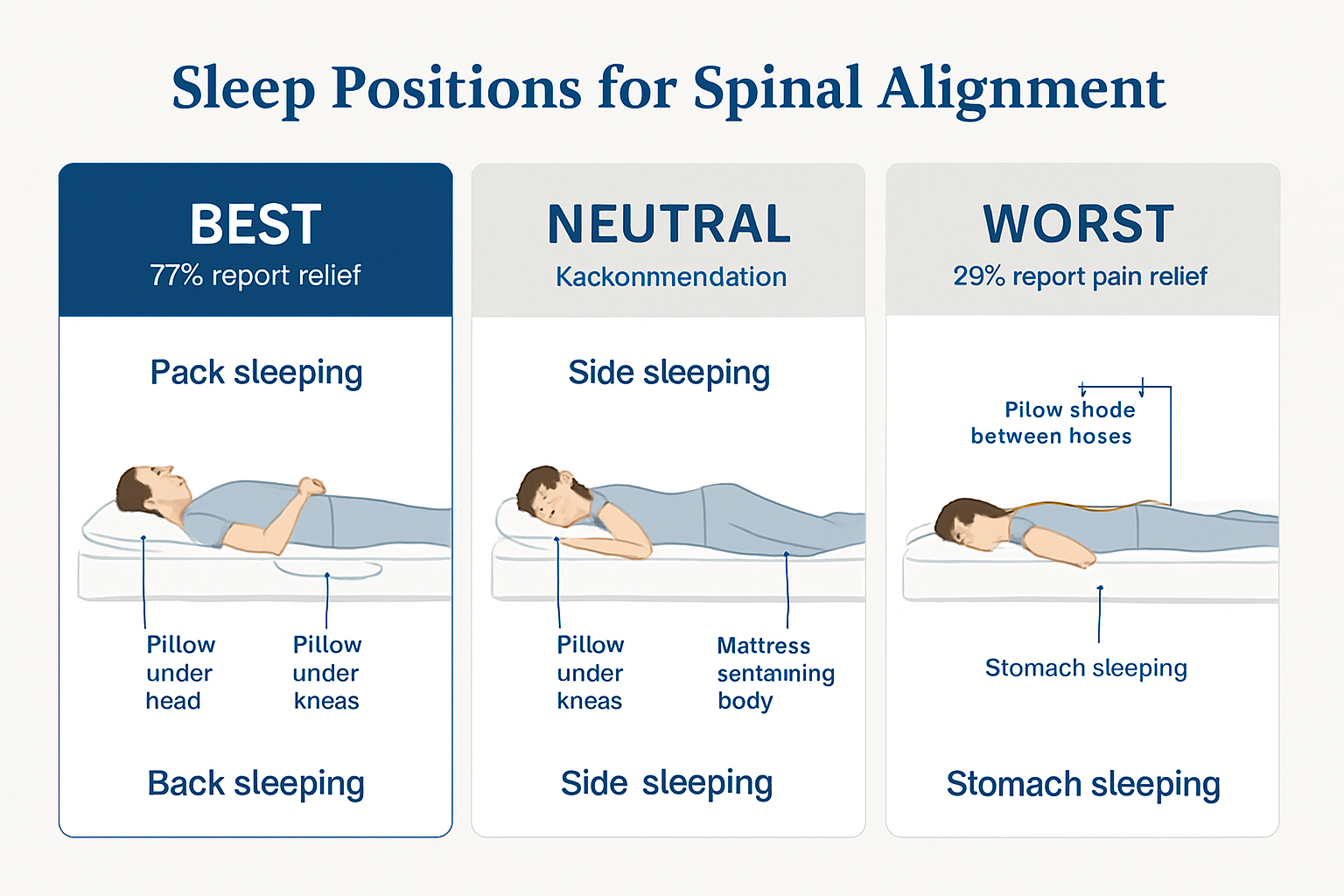
While you sleep, your body activates powerful repair processes.
During deep sleep stages:
- The body releases human growth hormone (HGH) to repair muscles and connective tissue
- Inflammation levels decrease
- Nervous system stress is reduced
- Damaged tissue begins rebuilding
When sleep quality is poor, these processes are disrupted.
This can lead to:
- Increased inflammation
- Slower tissue healing
- Higher pain sensitivity
- Reduced physical recovery
For people experiencing chronic neck or back pain, sleep becomes a critical part of the treatment process.
The Pain and Sleep Cycle
Pain and sleep often reinforce each other in a negative cycle.
Poor sleep increases sensitivity in the nervous system, which can make pain feel more intense the next day.
Common signs of this cycle include:
- Morning stiffness lasting longer than 30 minutes
- Widespread muscle soreness
- Increased pain after poor sleep
- Difficulty finding a comfortable sleeping position
Breaking this cycle requires improving both sleep quality and spinal alignment during sleep.
Best Sleeping Positions for Spinal Health
Your sleep position affects your spinal alignment for roughly one-third of your life.
Maintaining a neutral spine during sleep reduces pressure on discs, muscles, and joints.
Back Sleeping (Best for Spine Support)
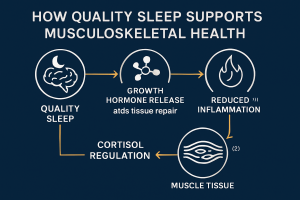
Sleeping on your back evenly distributes body weight and supports natural spinal curves.
To optimize this position:
- Place a small pillow under the knees
- Use a pillow that supports the neck without pushing the head forward
- Keep the spine neutral
This position minimizes stress on the spine and helps prevent neck strain.
Side Sleeping (Good with Proper Support)
Side sleeping is very common and can support spinal health if alignment is maintained.
Key tips include:
- Slightly bend the knees
- Place a pillow between the knees
- Use a pillow thick enough to keep the head aligned with the spine
Proper support prevents the pelvis from rotating and pulling the spine out of alignment.
Stomach Sleeping (Least Recommended)
Sleeping on the stomach is generally the most stressful position for the spine.
It can:
- Flatten the natural curve of the lower back
- Force the neck into prolonged rotation
- Increase pressure on spinal joints
If stomach sleeping is unavoidable:
- Use a very thin pillow or none at all
- Place a pillow under the pelvis to reduce strain on the lower back
Creating a Supportive Sleep Environment
Sleep posture alone is not enough. Your mattress and pillow must also support spinal alignment.
Choosing the Right Mattress
The best mattress is typically medium-firm.
It should:
- Support spinal alignment
- Prevent the hips from sinking too deeply
- Conform slightly to body curves
If a mattress sags or causes back pain in the morning, it may need replacement.
Choosing the Right Pillow
Your pillow should fill the space between your head and the mattress while keeping your neck neutral.
General guidelines:
Back sleepers:
- Medium height pillow
- Neck support contour
Side sleepers:
- Thicker, firmer pillow
Stomach sleepers:
- Very thin pillow
A pillow that is too high or too flat can contribute to neck pain.
Pre-Sleep Habits That Improve Recovery
Your evening routine also affects sleep quality and recovery.
Helpful habits include:
Reduce Screen Exposure
Blue light from phones and screens can interfere with melatonin production.
Try avoiding screens for at least one hour before bed.
Gentle Stretching
Light stretching before sleep can reduce muscle tension in areas such as:
- hips
- hamstrings
- shoulders
This helps the body relax before bedtime.
Deep Breathing
Slow breathing helps calm the nervous system and reduce muscle tension.
Even five minutes of breathing exercises can help the body transition into sleep.
Maintain a Consistent Sleep Schedule
Going to bed and waking up at the same time each day helps regulate the body’s circadian rhythm.
Consistent sleep patterns improve overall recovery.
When Sleep Alone Is Not Enough
Improving sleep posture can significantly reduce strain on the spine. However, persistent pain may indicate an underlying issue.
These may include:
- spinal misalignment
- muscle imbalance
- nerve irritation
- previous injury
At Atlas Spine Clinic, our team provides comprehensive assessments to identify the root cause of musculoskeletal pain.
Treatment options may include:
- Chiropractic care
- Physiotherapy
- Shockwave therapy
- Soft tissue therapy
- Postural correction strategies
Addressing the underlying cause of pain allows the body to recover more effectively during sleep.
Frequently Asked Questions
How long does it take for sleep posture changes to reduce pain?
Some people notice improvements within a few nights, while others may need several weeks of consistent changes.
Should I replace my mattress or pillow first?
If your mattress is more than 7–10 years old or sagging, it should be replaced first. Otherwise, adjusting your pillow may provide noticeable relief.
Can poor sleep posture cause neck pain?
Yes. Improper pillow support or spinal alignment during sleep can place prolonged strain on the neck and shoulders.
When should I see a professional for sleep-related pain?
If pain:
- persists longer than a week
- worsens over time
- radiates into arms or legs
- interferes with daily activities
a professional assessment is recommended.
Improve Your Sleep and Protect Your Spine
Quality sleep is one of the most powerful tools for maintaining musculoskeletal health.
By improving sleep posture and creating a supportive sleep environment, you allow your body to repair tissue, reduce inflammation, and recover from daily stress.
If you are waking up with persistent neck, shoulder, or back pain, a professional evaluation can help identify the root cause.
📞 Call (647) 794-6868 or message Atlas Spine Clinic today to schedule your consultation.
Our team in Scarborough will assess your spine, posture, and movement patterns to create a personalized plan that helps you sleep better and live pain-free.