Stress, Cortisol, and Chronic Pain: How the Stress Hormone Fuels Inflammation
You stretch. You rest. You try treatments.
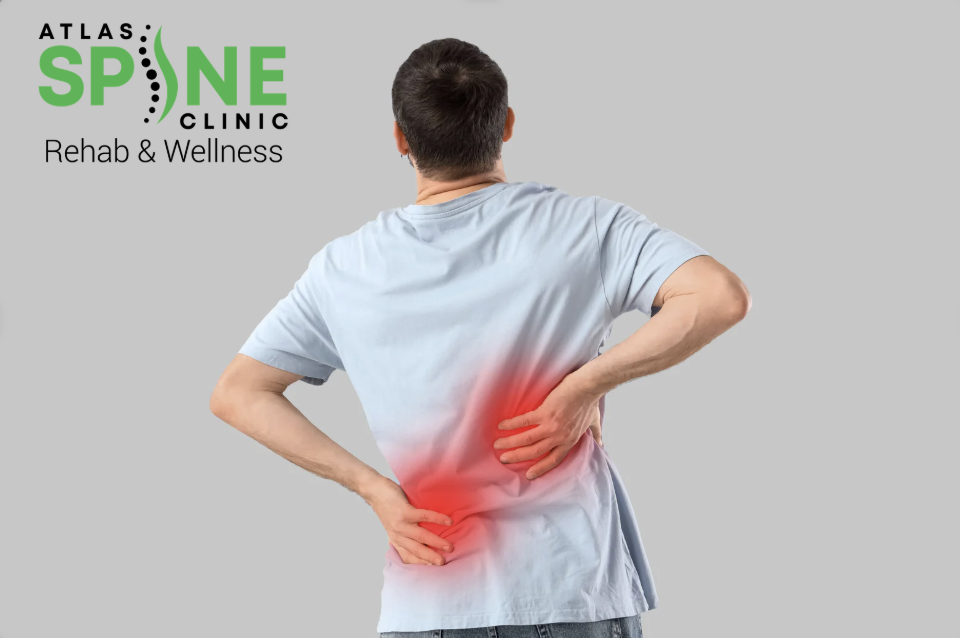
Yet the back pain, neck stiffness, or joint ache keeps coming back — especially during stressful periods.
That’s not a coincidence.
Chronic stress doesn’t just affect your mood. It alters your hormones, disrupts inflammation control, and can physically amplify pain. The key player in this process is cortisol, your body’s primary stress hormone.
At Atlas Spine Clinic, we frequently see patients across Scarborough dealing with persistent back and neck pain that worsens during stressful life events. Understanding the science behind stress and inflammation can be the turning point in breaking the pain cycle.
Let’s unpack what’s really happening.
Cortisol: The Stress Hormone That Protects — Until It Doesn’t
Cortisol is not the villain. In fact, it’s essential.
When you face a short-term threat, your brain activates the HPA axis (Hypothalamic-Pituitary-Adrenal axis). This system signals your adrenal glands to release cortisol.
In healthy, short bursts, cortisol:
- Increases available energy
- Enhances focus
- Reduces inflammation temporarily
- Helps your body respond to danger
In this acute phase, cortisol is strongly anti-inflammatory.
The problem begins when stress becomes chronic.
The Cortisol Paradox: Why Chronic Stress Increases Inflammation
When psychological or physical stress continues for weeks or months, cortisol remains elevated. Over time, your cells become less responsive to it — a process known as glucocorticoid receptor resistance.
Here’s what that means in simple terms:
Cortisol is supposed to tell inflammation to calm down.
But with constant exposure, your body stops listening.
Even though cortisol levels may remain high, its anti-inflammatory message is no longer effective. The result? Persistent, low-grade inflammation that contributes to:
- Muscle tension
- Joint stiffness
- Disc irritation
- Heightened pain sensitivity
This is one reason chronic stress and chronic pain so often coexist.
How Stress Physically Amplifies Pain
Pain is not purely mechanical. It is neurological.
When stress activates the HPA axis repeatedly:
- The nervous system becomes hypersensitive
- Pain signals are amplified
- Recovery slows
- Inflammation persists
This creates a self-reinforcing loop:
Stress → Increased cortisol → Inflammation dysregulation → Pain → More stress
Research on the fear-avoidance model shows that worrying about pain can further stimulate stress pathways. Thoughts like:
- “This will never go away.”
- “Something must be seriously wrong.”
- “I can’t move or I’ll make it worse.”
…can trigger the same stress response as physical danger.
Your brain interprets perceived threat — even from thoughts — as real.
Signs Your Stress Response May Be Contributing to Pain
HPA axis dysfunction doesn’t just show up as anxiety. It often presents physically.
Common signs include:
- Feeling “wired but tired”
- Difficulty sleeping or waking between 2–4 AM
- Brain fog
- Sugar or salt cravings
- Increased body aches without clear injury
- Slower recovery from minor strains
- Digestive issues
If you have persistent back pain, neck pain, or sciatica that flares during stressful periods, stress physiology may be a contributing factor.
Can Stress Really Cause Back and Neck Pain?
Yes — but not in the way people often think.
Stress does not “invent” pain. Instead, it:
- Increases muscle tension (especially in the neck and upper back)
- Reduces blood flow to tissues
- Alters inflammatory signaling
- Lowers pain thresholds
For patients already dealing with mechanical dysfunction — such as disc irritation, postural strain, or joint restriction — stress can significantly intensify symptoms.
This is why comprehensive pain management must address both:
- Structural dysfunction
- Nervous system regulation
Breaking the Stress–Inflammation–Pain Cycle
You are not powerless in this process.
1. Regulate Blood Sugar
Unstable blood sugar increases cortisol spikes. Focus on balanced meals with protein, healthy fats, and complex carbohydrates.
2. Move — But Don’t Overload
High-intensity exercise when already fatigued can further elevate cortisol. Instead, prioritize:
- Walking
- Swimming
- Yoga
- Controlled strength training
3. Sleep Is Non-Negotiable
Sleep resets cortisol rhythm and reduces inflammatory load. Aim for 7–9 hours.
4. Breathing and Nervous System Work
Slow breathing exercises (such as box breathing) directly calm the stress response and lower acute cortisol levels.
5. Address the Mechanical Pain Source
Stress management alone is not enough if joint dysfunction or disc irritation remains untreated.
At Atlas Spine Clinic, we combine:
- Chiropractic care
- Soft tissue therapy
- Shockwave therapy
- Targeted rehabilitation
This reduces the structural triggers that perpetuate the stress-pain loop.
Frequently Asked Questions
Is cortisol inflammatory or anti-inflammatory?
Both. In short-term stress, cortisol is anti-inflammatory. In chronic stress states, receptor resistance leads to increased inflammation.
Can stress worsen sciatica or neck pain?
Yes. Stress increases muscle tension and pain sensitivity, which can intensify nerve-related symptoms.
How long does it take to rebalance cortisol?
Immediate calming techniques can reduce cortisol quickly, but restoring full nervous system balance typically takes consistent lifestyle adjustments over weeks to months.
Does this mean my pain is psychological?
No. Your pain is real. Stress simply influences how strongly your body experiences and maintains inflammation and pain signals.
A Whole-Body Approach to Pain Relief
Persistent pain is rarely just one thing.
If you’re dealing with recurring back pain, neck pain, or inflammation that worsens during stressful periods, it may be time for a comprehensive evaluation.
At Atlas Spine Clinic, we assess both the mechanical and physiological contributors to pain — creating non-surgical treatment plans designed to reduce inflammation, restore mobility, and calm the nervous system.
📞 Call (647) 794-6868 or message us today to book your consultation.
Let’s identify what’s driving your pain and create a clear path forward.
- “HPA axis stress response diagram”
- “Chronic stress and inflammation illustration”
- “Chiropractic treatment for stress-related neck pain”