If someone has suggested laser therapy for your pain, there is a reasonable chance your first thought was some version of “how is shining a light on my shoulder going to help?”
It is a fair question, and it deserves a straight answer rather than a brochure. Here is what laser therapy actually is, what the research genuinely shows, who it suits, and what a session is like.
What laser therapy actually is
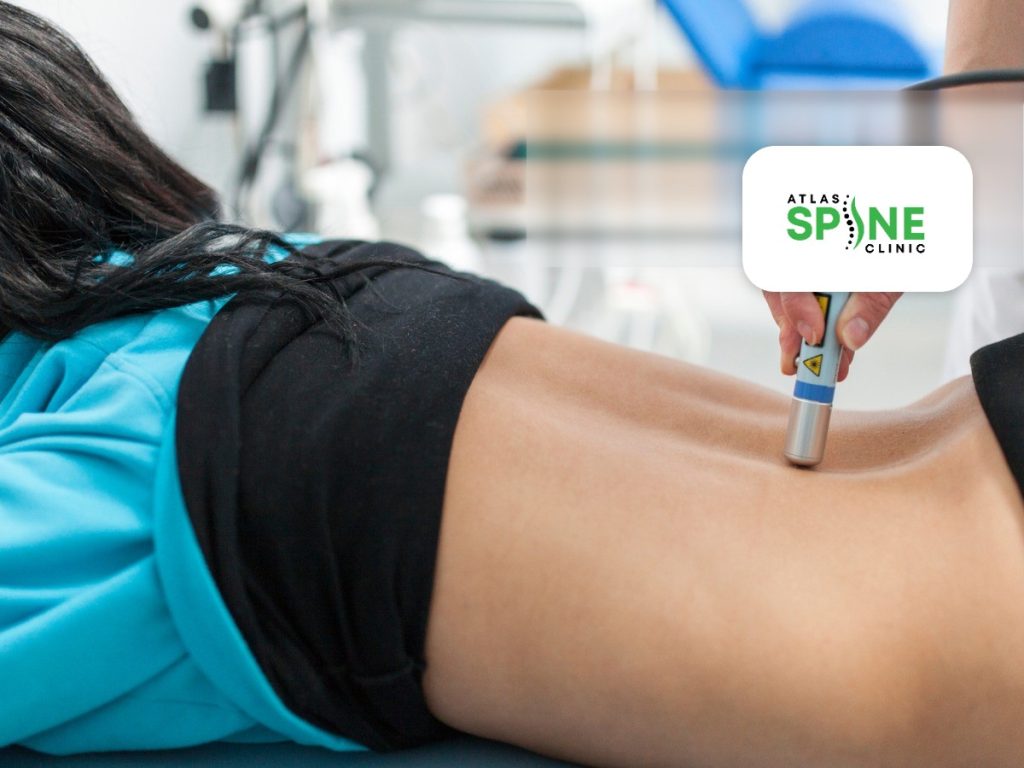
Laser therapy uses concentrated light energy, in the red and near-infrared range, directed at an injured or painful area. It is not the kind of laser that cuts anything. There is no incision, no needle, and nothing enters your body.
The light penetrates into the tissue, where it is absorbed by your cells. The working theory, and the reason the treatment exists, is that this absorbed energy gives cells a boost in the energy they produce, which supports the repair process already underway. In practice that is associated with less inflammation in the area, better local circulation, and support for tissue repair.
That is the mechanism. It is worth being clear that laser is helping along a process your body is already running. It is not doing something your body cannot.
What the research actually shows
This is the part most clinic pages skip, so let us do it properly.
The evidence for laser therapy is real, and it is better than many people assume. A 2025 review of the research pooled 53 studies covering roughly 2,800 patients and found that laser therapy reduced pain scores by around a third compared with placebo treatment, and improved measures of function by roughly a fifth. Those benefits showed up across a number of conditions, including knee osteoarthritis, tendon problems, neck pain and low back pain.
Now the honest counterweight. Laser therapy is still not included in some of the major clinical treatment guidelines, including the main international guidelines for knee osteoarthritis. Study quality varies, and the settings used differ between trials, which makes it harder to draw firm conclusions than anyone would like.
So where does that leave you? Laser therapy has measurable, real benefits for pain and function, and those benefits are meaningful rather than dramatic. It is a legitimate supporting treatment, not a cure, and not a replacement for the rehabilitation that addresses why you got hurt in the first place. Anyone selling it as a miracle is overselling it, and anyone dismissing it entirely is ignoring the data.
What we use it for
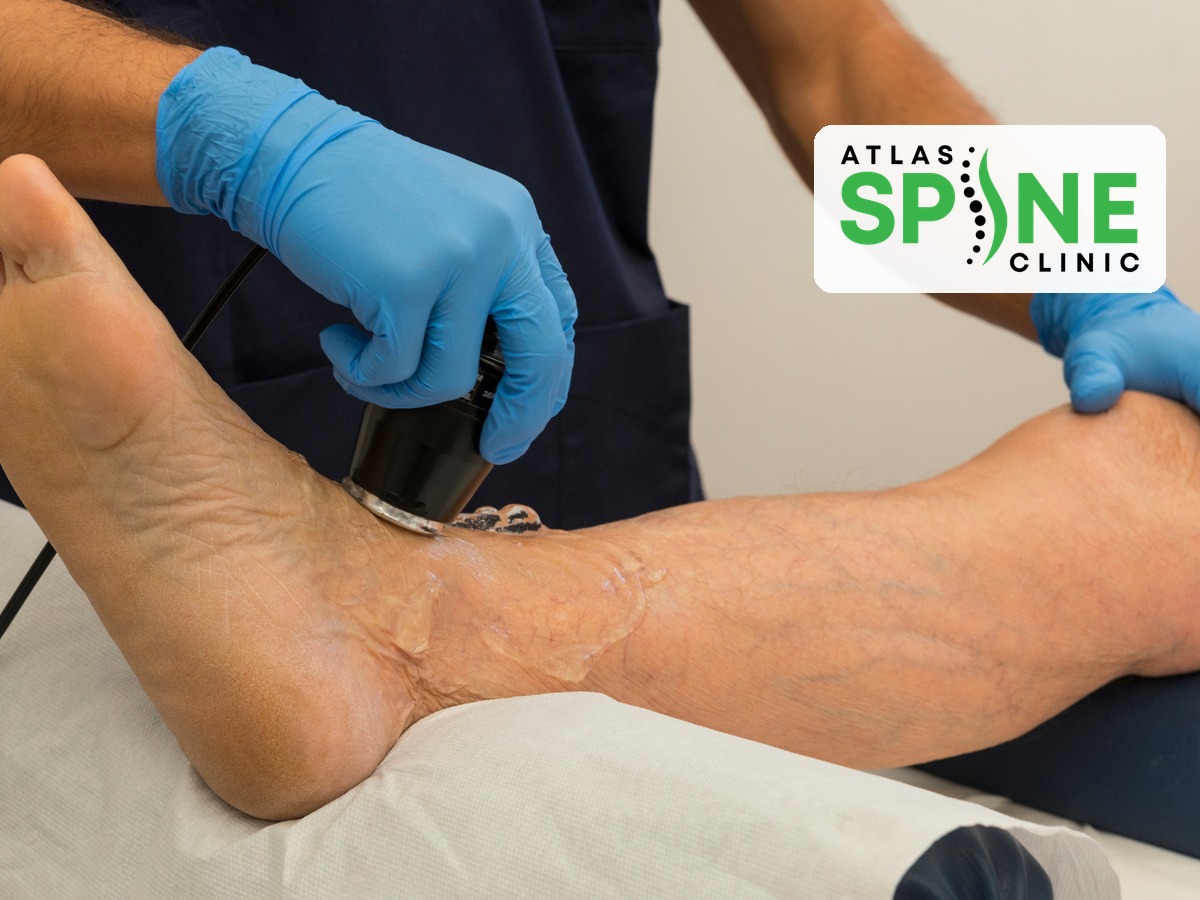
At Atlas Spine Clinic, laser therapy is used for musculoskeletal problems including:
- Osteoarthritis, particularly where pain and stiffness limit day to day movement
- Tendonitis and rotator cuff injuries
- Neck and back pain
- Repetitive strain injuries from work or sport
- Post-surgical rehabilitation, supporting recovery alongside a rehab program
- Chronic pain that has not settled with other conservative care
The common thread is inflamed, irritated or slowly healing soft tissue. Laser is most useful when pain and inflammation are limiting what you can do in rehabilitation, because reducing that barrier lets the more important work happen.
What a session is actually like
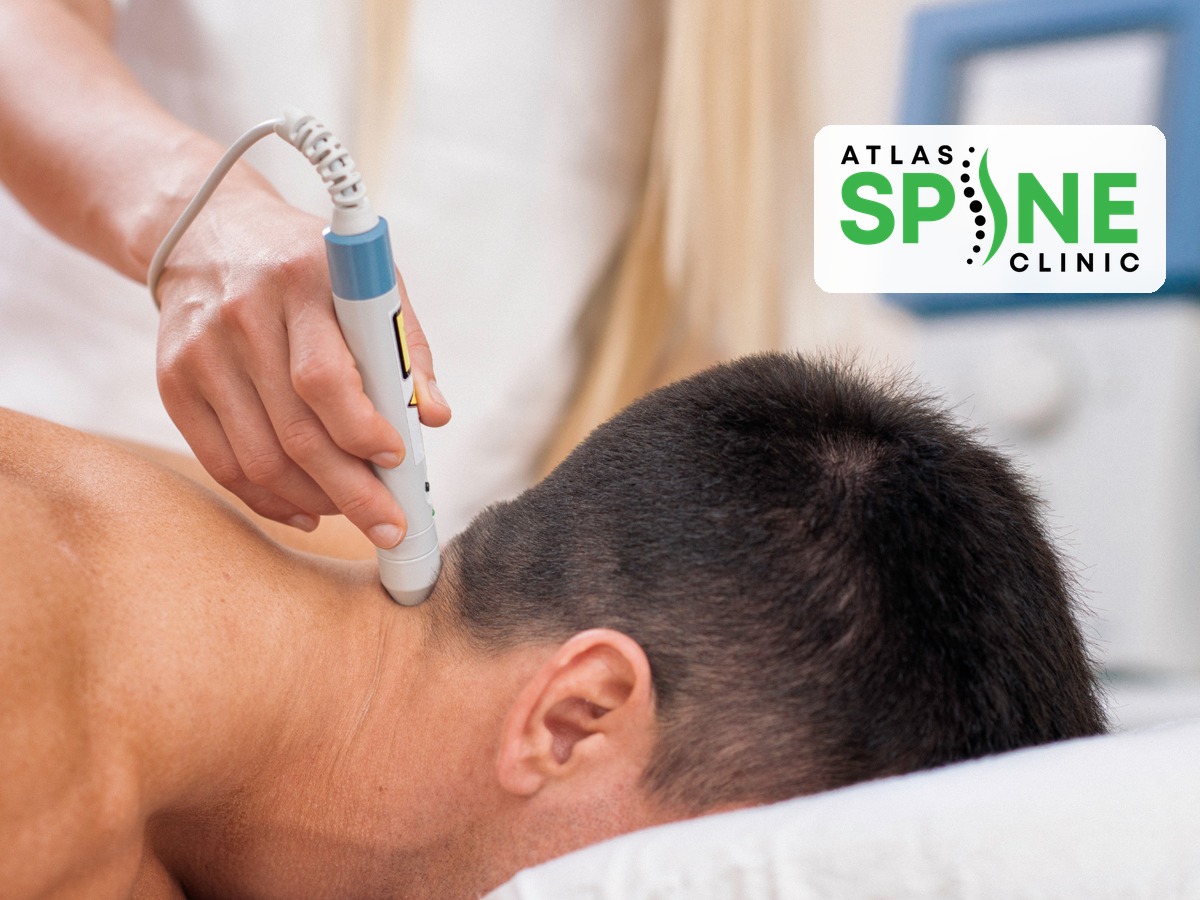
Undramatic, which surprises people.
A session usually takes about 15 minutes, though it varies with the condition and the area being treated. You sit or lie comfortably while the applicator is held over the area. Nothing touches you invasively, and nothing pierces the skin.
Most people feel a gentle warmth over the treated area. That is the usual extent of the sensation. It is not painful, and there is no recovery time afterwards. You carry on with your day straight away.
You will be given eye protection, and so will your clinician. That is standard practice with therapeutic lasers and it is not a sign that anything is dangerous, it simply means the equipment is being used properly.
How many sessions you need depends entirely on the condition, how long you have had it, and how you respond. A recent, straightforward problem may need only a short course. Something chronic usually takes longer. You will be given a realistic estimate at your assessment rather than a package sold up front.
Who it is not for
Just as important as who it helps.
Therapeutic laser is generally avoided over the eyes, during pregnancy (particularly over the abdomen), over an area with active cancer, over the thyroid, and for people taking medication that makes them sensitive to light. There are other situations where a clinician will decide it is not the right choice for you.
This is exactly why we do not simply hand laser therapy to everyone who walks in with pain. It is recommended based on your specific situation, after an assessment, and it is genuinely not appropriate for everybody. If it is not right for you, we will tell you, and we will explain what would be better.
It is never a treatment on its own
This matters, and it is the honest answer to whether laser is a gimmick.
At Atlas Spine Clinic, laser therapy is never delivered as a standalone treatment. It is used within a physiotherapy or chiropractic appointment, as one part of a plan built around your diagnosis.
The reasoning is simple. Laser can reduce pain and inflammation in a specific area, which is genuinely useful. What it cannot do is strengthen the muscles supporting a joint, restore how you move, or fix the underlying mechanics that led to the problem. That is what your physiotherapy or chiropractic care is for. Laser makes that work easier and more comfortable. It does not replace it.
What it costs and whether it is covered
Because laser therapy is delivered as part of a physiotherapy or chiropractic appointment rather than as a separate service, it is billed within that visit. There is no separate laser fee added on top.
In practice this means that if your extended health plan covers physiotherapy or chiropractic, your appointment is covered in the usual way. We direct bill most insurers. Our full published rates are on our price list, and you are welcome to confirm your coverage when you book.
If pain is holding up your recovery
If inflammation and pain are limiting what you can do, laser therapy may be a useful part of your treatment. The only way to know whether it suits your specific problem is an assessment.
Call (647) 794-6868 or book an appointment at our Scarborough clinic, and we will tell you honestly whether it is worth including.
General information, not medical advice. An assessment is needed to determine the cause of your pain and whether laser therapy is appropriate for you.
Frequently asked questions
Does laser therapy hurt?
No. Most people feel a gentle warmth over the area being treated, and nothing more. There is no downtime afterwards.
How long is a session?
Usually around 15 minutes, though it depends on the condition and the area being treated.
How many sessions will I need?
It depends on your condition, how long you have had it, and how you respond. You will get a realistic estimate at your assessment rather than being sold a package in advance.
Does laser therapy actually work?
The research shows real, measurable benefits. Pooled results across dozens of trials show meaningful reductions in pain and improvements in function compared with placebo. It is also not included in some major treatment guidelines, and study quality varies. Our honest position is that it is a genuinely useful supporting treatment, not a cure on its own.
Is it covered by insurance?
Laser is delivered within a physiotherapy or chiropractic appointment and billed as part of that visit, so if your plan covers physiotherapy or chiropractic, it is covered in the usual way. We direct bill most insurers.
Do I need eye protection?
Yes, and it is provided. Both you and your clinician wear it during treatment. It is standard practice with therapeutic lasers.
Can I just come in for laser therapy?
No. We do not offer it as a standalone treatment. It is recommended after an assessment, as part of a physiotherapy or chiropractic plan, and only when it is appropriate for your condition.
